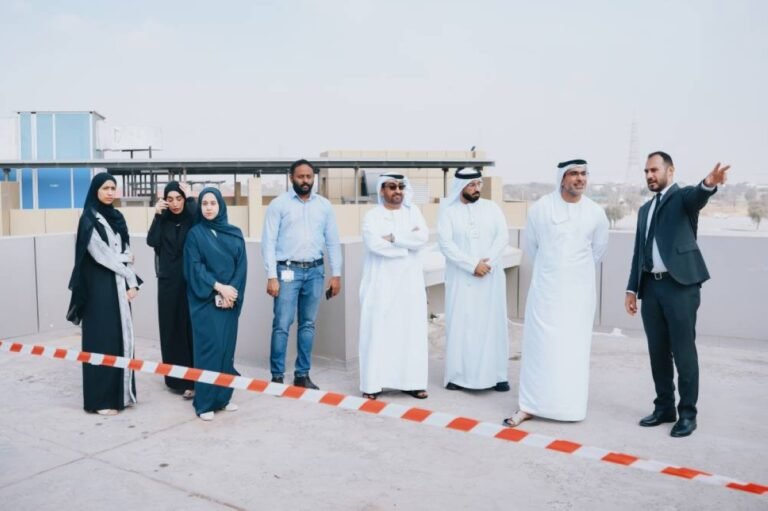
Dubai, UAE – The Ministry of Energy and Infrastructure announced the start of implementation of the first phase of a project to reduce energy and water consumption in federal government buildings.
Its operations began at Abdullah Bin Omran Hospital in Ras Al Khaimah, and will include 60 government buildings across the UAE, with investments totaling AED 120 million.
This comes as part of the Ministry’s commitment to accelerating the transition to higher energy efficiency. In support of the objectives of the national strategy for managing energy and water demand.
comprehensive plan
This step comes within an integrated plan extending to a second phase that includes 360 federal government buildings at an estimated cost of up to one billion dirhams, and with full funding from the private sector.
Reflecting the adoption of an effective partnership model with the private sector to achieve sustainable savings in energy and water consumption across the UAE.
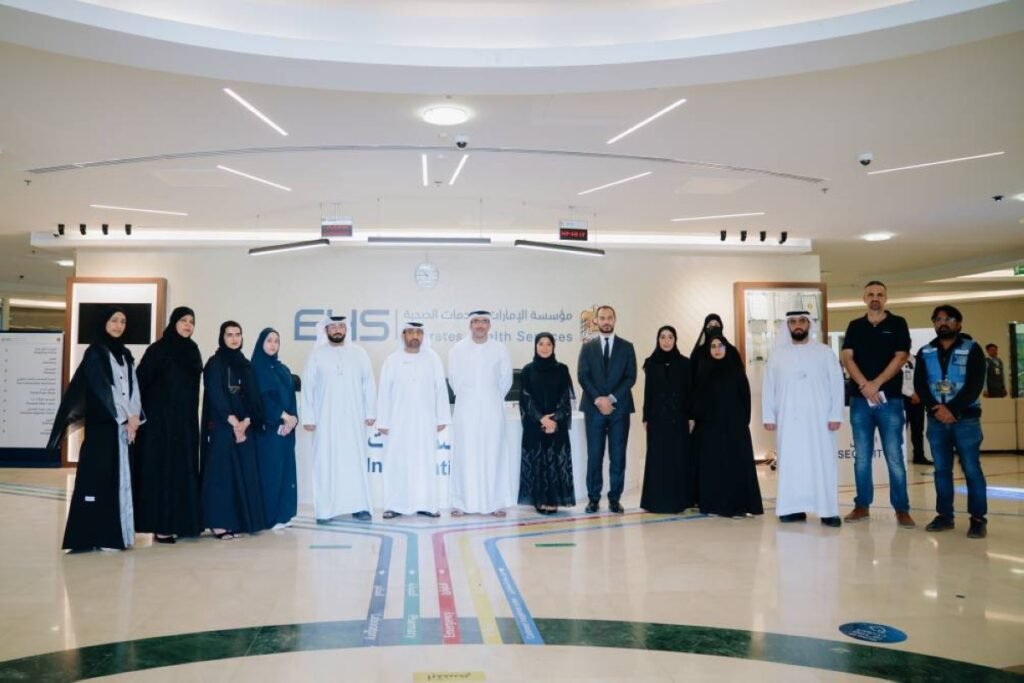
strategic programme
Eng. Sherif Al-Ulama, Undersecretary of the Ministry of Energy and Infrastructure for Energy and Petroleum Affairs, stressed that the launch of work on the hospital represents an important implementation step within a strategic program aimed at enhancing the efficiency of government buildings and reducing carbon emissions.
In addition to achieving sustainable savings in energy and water consumption.
In line with the UAE’s orientations on sustainability and energy demand management.
He explained that the national project, which includes 60 government buildings, will contribute to achieving savings of up to 27% of the total energy and water consumption in the targeted buildings.
In addition to contributing to achieving the state’s goals regarding reducing carbon emissions in the buildings sector and the sustainability of government buildings.
The Undersecretary of the Ministry of Energy and Infrastructure for Energy and Petroleum Affairs said: “The project comes within the framework of supporting the goals of the National Energy Demand Management Strategy 2050”. Establishing a more efficient and sustainable government building system, which contributes to achieving a long-term environmental and economic impact.