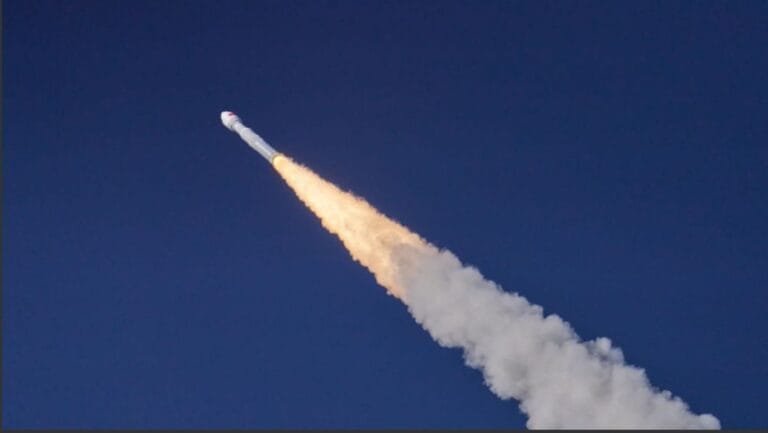
Abu Dhabi, UAE – The launch of the Arab satellite “813” established a new phase for joint Arab space work.
To embody a strategic vision led by the UAE to unify Arab efforts in this vital sector.
By employing space science and technology to serve sustainable development and support decision-makers in the region based on accurate data for Earth observation and monitoring environmental and climate variables.
The 813 satellite represents the first Arab satellite to be developed as part of a joint project between the member states of the Arab Space Cooperation Group.
Its establishment was announced in the UAE in 2019 with the aim of establishing a unified Arab framework for coordination in the fields of space, exchanging expertise, and building national capabilities.
This project is a direct result of this cooperation.
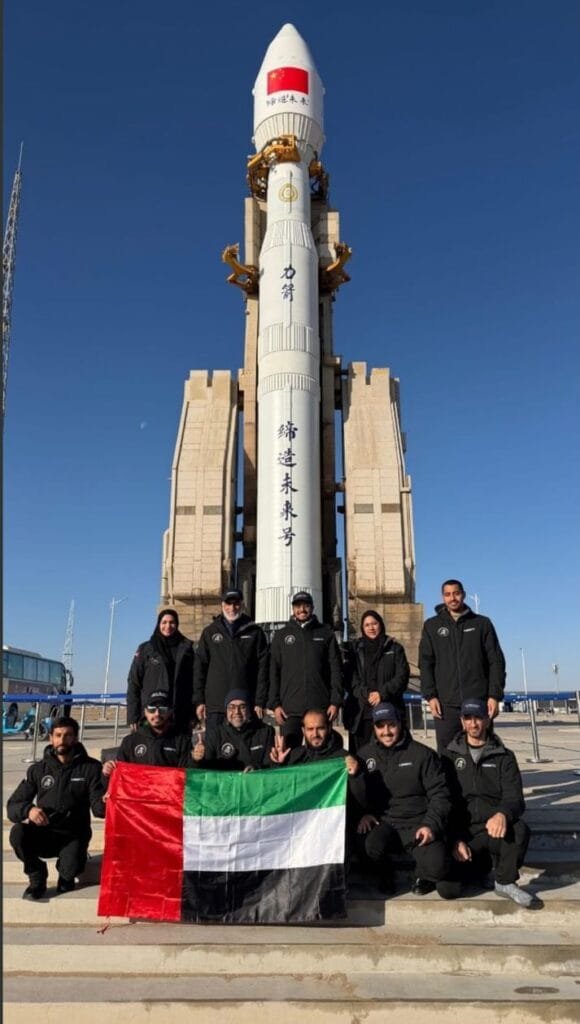
Teams of Arab engineers and scientists participated in its various stages, including design, assembly and testing, within a joint work environment hosted by the UAE.
The satellite was developed at the National Centre for Space Science and Technology at the United Arab Emirates University.
He played a pivotal role in designing the moon’s space systems, assembling and testing its payloads, in addition to preparing and qualifying the participating Arab cadres.
The launch of the satellite reflects the country’s position as a regional center for developing advanced space projects.
It is also a major supporter of joint scientific efforts in the Arab world.
The 813 satellite relies on a package of advanced technologies in the field of remote sensing, as it is designed to provide high-resolution data covering a wide range of environmental, urban, agricultural and marine applications.
Arabic database
The moon is based on three main payloads that work in an integrated manner to ensure obtaining comprehensive and interconnected data about the Earth’s surface and its surrounding atmosphere.
The satellite also contributes to creating a unified Arab database of Earth observation images and measurements.
This enhances the independence of Arab countries in obtaining high-quality satellite data without relying entirely on external sources.
It enables universities, research centers, and specialized institutions in the region to develop advanced models and analyses based on data tailored to their national needs.
This step comes within the framework of the UAE’s commitment to supporting Arab cooperation in the space sector, and building the capabilities of young Arab competencies in the fields of engineering, space sciences and related technologies.
The project provided practical training opportunities for Arab engineers in the stages of satellite design, assembly, testing and operation.
This will enhance the technical expertise of the participating countries and open the way for more joint projects in the future.