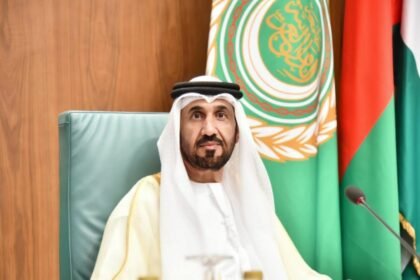
Dubai, United Arab Emirates – Marwan bin Ghalita, Director General of Dubai Municipality, confirmed that the emirate annually registers more than 200,000 new food products within a smart and advanced control system.
This system supports Dubai World’s position in food safety and reinforces its vision of building a safe and sustainable food system.
This came during a speech he delivered at the opening of the nineteenth edition of the Dubai World Food Safety Conference.
Its work began today with the wide participation of experts, specialists, decision-makers, and representatives of regulatory authorities and the food sector from around the world.
The Director General of Dubai Municipality said: “We believe that the most advanced city is the one that places people at the heart of its development process, and constantly works to enhance their quality of life”.
He pointed out that this conference has become a global platform for anticipating the future of food safety and supporting international efforts to achieve safe and sustainable food.
the current session
He pointed out that the current session is being held under the slogan “Technologies and Innovation in Food Safety”.
Reflecting the UAE and Dubai’s focus on anticipating the future and employing smart solutions to manage food risks and reduce food loss and waste, in line with global sustainable development goals.
global leadership
Marwan bin Ghalita said: “Dubai Municipality is one of the world’s leading entities in using modern technologies in its regulatory systems”.
He pointed out that the smart inspection system and the “Muntaji Plus” platform currently register one and a half million food products.
While Dubai imports more than 10 million tons of food annually from 180 countries, it has more than 26,500 licensed food facilities.
program
The current session of the conference is full of a rich program of specialized sessions and workshops that discuss several topics.
The most prominent of these is the use of artificial intelligence in laboratory tests and food inspections, and the innovation of future policies to reduce risks.
In addition to strengthening the global food security system.