Washington, DC – Asian stocks posted significant gains on Friday, on track for their first weekly close in positive territory since the latest conflict erupted in the Middle East.
The Asian stock market rally was fueled by investor hopes for a diplomatic breakthrough during the US-Iranian talks scheduled for later this week in Islamabad. This has injected a dose of optimism into global financial markets.
Stocks rebound, but the “green” market declines.
The MSCI Asia Pacific index rose 0.8%, with South Korea leading the gains with a 1.7% jump, buoyed by strong demand for technology stocks, which are seen as a relative “safe haven” from immediate geopolitical turmoil.
This coincided with the US dollar heading for its biggest weekly loss since January, contributing to improved risk appetite and supporting commodity and stock prices. In notable remarks, US President Donald Trump expressed “optimism” about reaching an agreement with Tehran. However, he struck a cautionary tone regarding tariffs related to shipping through the Strait of Hormuz, leaving traders balancing cautious optimism with actual anticipation of the outcome.
Oil and gold: stability on shifting sands
In the energy market, oil prices fell sharply, with Brent crude trading near $96.53 a barrel, on track for its biggest weekly loss in nine months.
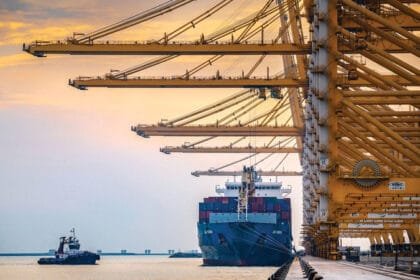
Despite this decline, supply concerns remain. Data indicates that shipping activity through the Strait of Hormuz is still down 90% from normal levels. Only a handful of ships are transiting it daily, compared to 45 under normal circumstances.
Gold, meanwhile, stabilized above $4,700 an ounce after a period of volatile trading.
Ahmed Assiri, a researcher at Pepperstone, noted that the precious metal is undergoing a period of consolidation and reassessment of geopolitical risks. Key resistance lies at $4,800.
Anticipation in Islamabad
While Israel has agreed to talks with Lebanon, geopolitical signals remain mixed, with reports of drone attacks in Kuwait highlighting the fragility of the ceasefire.
All eyes are now on the Islamabad negotiations; they will either confirm the current recovery or plunge markets back into a state of extreme volatility driven by energy and political news.