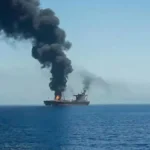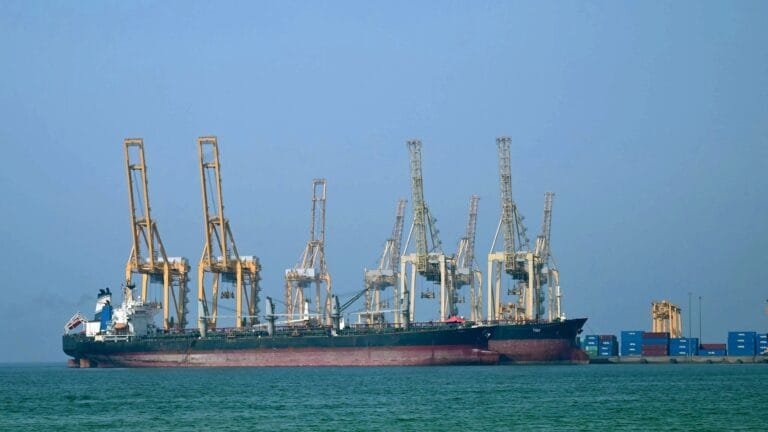
Doha, Qatar – A series of Iranian attacks on energy facilities in the Gulf has caused widespread disruption in global energy markets. This comes after Qatar Energy announced that the strikes disrupted approximately 17% of the country’s liquefied natural gas (LNG) export capacity, threatening supplies to Europe and Asia. These developments have also raised growing concerns about global energy security.
The chairman of Qatar Energy stated that the Iranian attacks targeted critical parts of the Ras Laffan LNG complex – the largest of its kind in the world. They also caused significant damage to gas processing and liquids facilities. He confirmed that repairs could take several years. As a result, the company will be forced to declare force majeure to amend its long-term export contracts with several countries, including Italy, Belgium, South Korea, and China.
This escalation comes at a sensitive time. Strategic experts consider it part of Iran’s response to previous Israeli attacks against Iranian energy facilities. This reflects the widening scope of the conflict in the Gulf region to include critical energy infrastructure, plunging the global gas market into considerable volatility.
These attacks led to a more than 35% increase in gas prices in Europe and a more than 10% rise in oil prices. This underscores the risks facing global supplies, as investors attempt to reassess the impact of ongoing conflicts on market stability.
Economic analysts suggest that the disruption of a significant portion of Qatari gas exports could reshape the global energy market. Furthermore, it increases electricity and heating costs for consumers in Europe and Asia and puts pressure on industries that rely on gas as a primary raw material.
Given these developments, attention is now focused on regional and international responses. There are warnings that continued targeting of energy infrastructure could lead to a deeper global crisis and potentially redraw the map of gas dependency in key markets in the coming years. As a result of these developments, the Middle East is becoming a crucial focal point for global energy security.