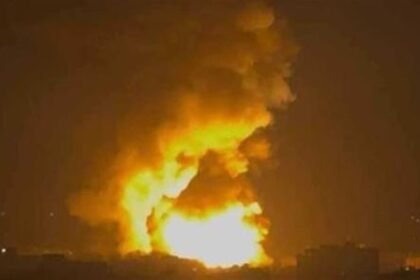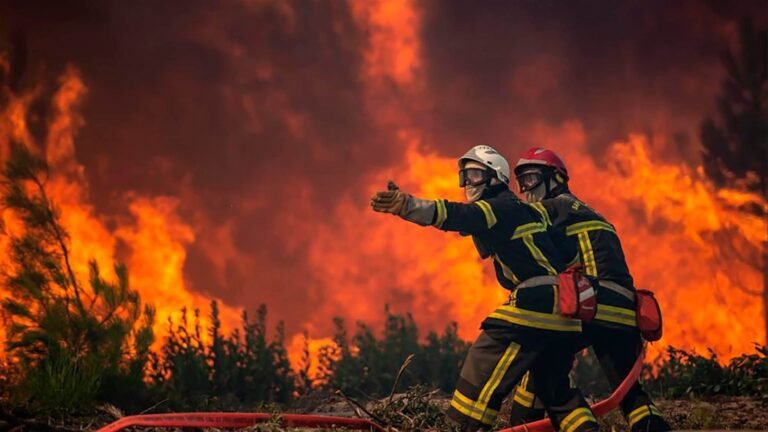
Brussels, Belgium – Forest fires in Europe reached record levels in 2025, the worst in decades. This prompted the European Commission to announce a package of urgent measures to strengthen prevention and reduce future risks to the environment and citizens.
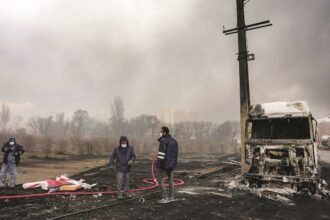
The Commission confirmed that the number of fires and the area affected exceeded all previous statistics. Southern European countries such as Spain, Greece, and Italy also experienced a significant increase in fires due to extreme heat waves and prolonged drought. Furthermore, strong winds contributed to the rapid spread of the fires.
An official report issued by the Commission indicated that tens of thousands of hectares of forests and natural areas were burned in 2025. This resulted in significant human and material losses, as well as a decline in air quality and an increase in carbon emissions. Consequently, this has raised widespread concerns about the impacts of climate change on the continent.
The European Commission has taken several urgent measures to address the crisis. These include strengthening firefighting teams, deploying modern helicopters for fire monitoring and control, and increasing budgets for training and preventative equipment in the most vulnerable countries. A joint campaign was also launched to facilitate the exchange of information and expertise among member states. The aim is to improve coordination and ensure rapid response when fires occur.
The measures also include developing early warning systems and improving forest monitoring via satellites and drones to enhance authorities’ ability to predict fires before they occur. This aims to reduce potential damage to people and the environment.
Climate experts emphasize that global warming and unprecedented temperature increases the likelihood of wildfires. Consequently, unified European cooperation is vital to ensuring the protection of forests and natural resources.
The Commission notes that this new package of measures represents a key step within a broader European strategy to adapt to climate change and reduce environmental risks. Furthermore, it strengthens the EU’s capacity to respond more effectively to natural disasters.
Officials hope these efforts will contribute to reducing the frequency of future fires and protecting local communities. They also aim to ensure the sustainability of Europe’s natural environment for future generations, while raising public awareness of the importance of prevention and forest conservation as a vital resource.