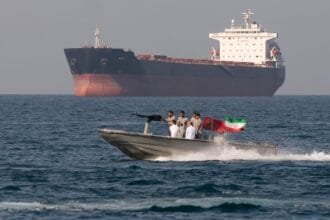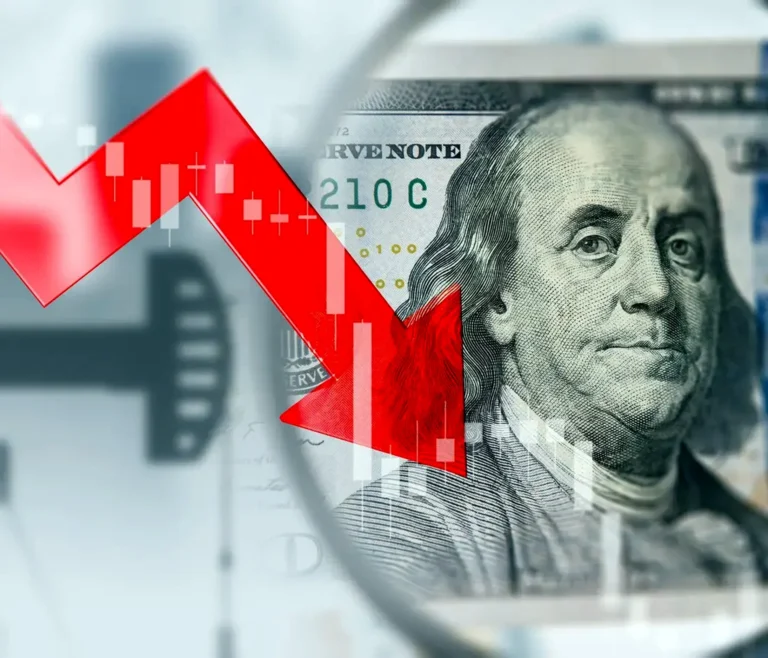
Washington, DC – The US dollar weakened significantly on Friday, heading for its biggest weekly loss since January. This came as investors sold safe-haven assets, fueled by cautious optimism about the resumption of oil shipments if the ceasefire agreement with Iran holds.
Shifts in investor behavior
The dollar had made strong gains in March, considered a safe haven amid escalating war. The conflict had driven up oil prices and increased inflationary pressures globally. However, this trend began to reverse following the announcement of a temporary ceasefire, prompting investors to redirect their investments towards riskier assets.
Major currencies saw notable gains, with the euro rising by approximately 1.8% during the week to reach $1.17. The British pound also climbed by nearly 2%, reaching $1.34. The Australian and New Zealand dollars also saw strong gains of around 3%, reflecting improved investor risk appetite.
Inflation data and its impact
Meanwhile, the Japanese yen weakened to around 159.75 against the dollar, while the dollar index fell 0.24% on Friday. The index has also declined by about 1.6% since the start of the week.
Recent data showed that US consumer prices rose at their fastest pace in nearly four years in March. This was driven by rising oil prices and the continued impact of tariffs. However, analysts considered the data to be in line with expectations. Furthermore, the future direction of the markets will be determined by the outcome of the anticipated peace talks.
The yuan is a surprise to the markets
The Chinese yuan emerged as one of the biggest gainers, heading for its largest weekly gain in over a year, despite being linked to an economy that is the world’s largest oil importer. Analysts pointed out that improved global sentiment contributed to supporting the Chinese currency, even though uncertainty persists.
Experts believe that markets remain fragile, and any setback in the easing process could quickly reignite volatility. Therefore, currency movements in the coming period will be contingent on geopolitical developments.