
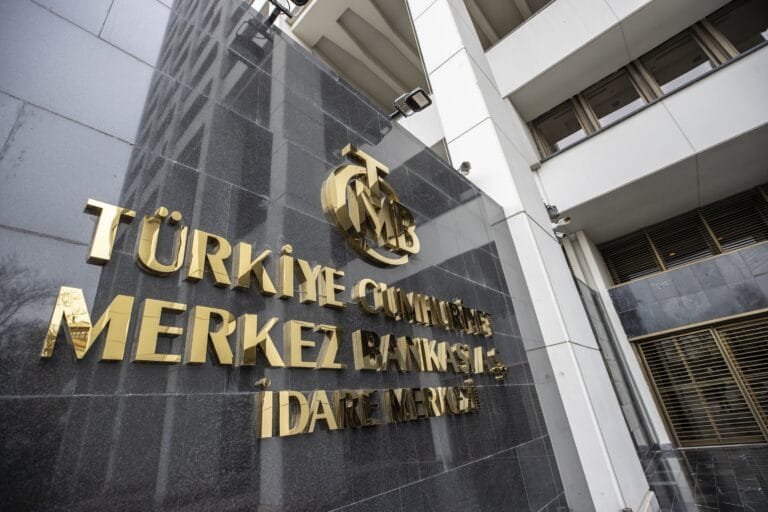
Istanbul, Turkey – Reuters reported that Syria is nearing an agreement to open a “correspondent bank” account with the Central Bank of Turkey. There are also discussions on possible currency swap arrangements between the two countries. This would help facilitate cross-border payments. Furthermore, it would boost bilateral trade.
According to the agency, this direction reflects a joint effort to develop the financial framework governing trade exchange between the two sides. This is especially relevant in light of the need for more flexible and efficient banking mechanisms. These would allow commercial transactions and financial transfers to be carried out more quickly. In addition, these would enable transfers to be made in a more organized manner.
Correspondent bank
Opening a “correspondent bank” account is seen as an important step in improving payment channels between Syria and Turkey. It would allow financial institutions to settle transactions through direct or semi-direct banking arrangements. With this, complications associated with transfers could be eased. It would also reduce reliance on traditional methods that are more costly and slower to execute.
Discussions on possible currency swap arrangements between the two countries could also pave the way for trade settlements in local currencies. Alternatively, these settlements could occur through mechanisms agreed upon by the two central banks. This could have a positive impact on the volume of trade. In addition, it could reduce pressures linked to exchange-rate fluctuations and external financing costs.
This move comes at a time when economic relations between the two countries are seeing growing interest in reviving trade and expanding areas of cooperation. This is especially true in sectors that rely on regular and secure cross-border financial flows. Observers believe that any progress in this banking file could form a practical foundation for broader economic cooperation. This may be especially true in the coming period.
The importance of the step
The importance of this step is not limited to its technical or banking dimension, but also extends to its commercial implications. Providing a more stable financial channel between Damascus and Ankara could give companies, importers, and exporters greater clarity in payment and settlement procedures. In turn, this would help support business activity. Moreover, it could reduce procedural obstacles.
According to Reuters, the ongoing understandings are still focused on facilitating payments and enhancing trade. This reflects a broader direction toward building more effective financial tools that serve the shared economic interests of both countries.