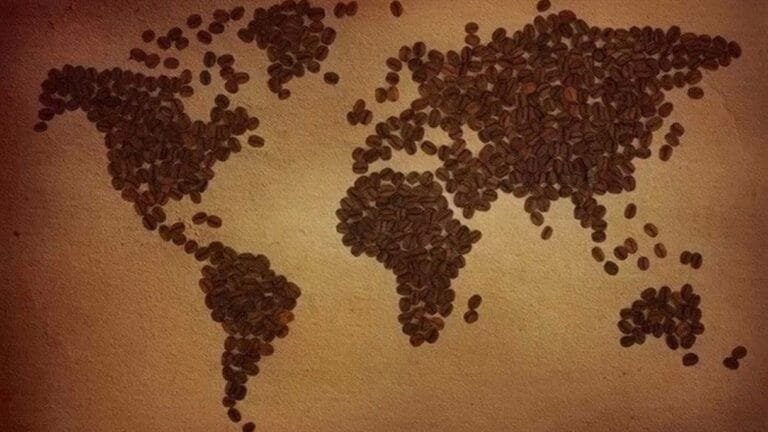
Brasilia, Brazil – The global coffee market is experiencing one of its most severe crises in recent years, with a significant drop in production of up to 33%. This has led to a clear disruption in global trade and successive price hikes, amid fears of a prolonged wave of inflation that could affect consumers in various countries.
According to agricultural and economic reports, this sharp decline is not the result of a single factor, but rather the result of several interconnected crises. Foremost among these is the severe climate change that has struck major coffee-producing countries, particularly Brazil – the world’s largest producer – along with Vietnam and Colombia. These regions have been subjected to severe droughts followed by unusually harsh frosts. This has resulted in the destruction of vast areas of crops and a significant decrease in production.
The crisis wasn’t limited to climate change; disruptions to global supply chains exacerbated the problem. Soaring shipping and insurance costs, coupled with delays in transportation, directly impacted the timely arrival of coffee to markets. Labor shortages in some producing countries further hampered harvest efficiency, particularly given the heavy reliance of manual labor in many stages of coffee cultivation.
In a related development, experts noted that global demand for coffee hasn’t declined; on the contrary, it has grown significantly, especially in emerging markets. This has widened the gap between supply and demand, explaining the price surges already observed on several global exchanges.
Economic institutions warn that the continuation of these factors could push prices to record highs in the coming months, potentially impacting coffee-related industries such as cafes and food supply chains. This could ultimately affect the end consumer.
Faced with this crisis, some producing countries are adopting long-term solutions, including developing climate-resistant varieties and improving irrigation systems. They are also expanding the use of agricultural technology to minimize losses and ensure sustainable production.
Observers emphasize that the current coffee crisis is not merely a passing phase, but rather a stark warning about the vulnerability of global supply chains to climate change and economic instability. This necessitates a review of production and distribution policies to ensure future market stability.