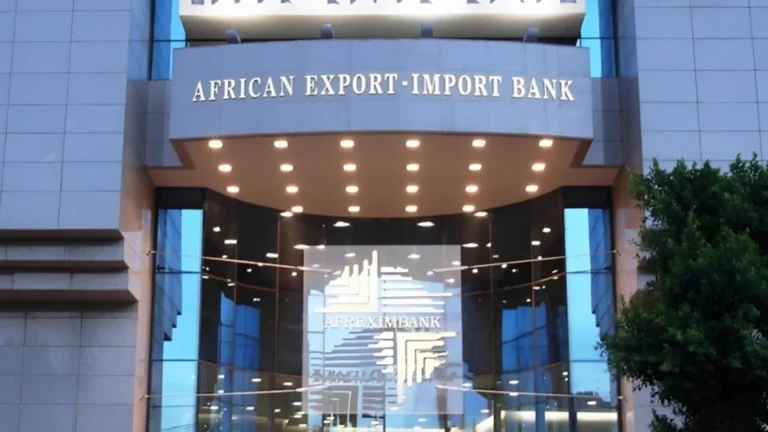
Cairo, Egypt – The African Export-Import Bank (Afreximbank) announced that its Board of Directors has approved a $10 billion Gulf Crisis Response Program. The program aims to protect the economies, financial institutions, and businesses of Africa and the Caribbean from the escalating economic repercussions of the ongoing crisis in the Gulf region.
Widespread repercussions for African and Caribbean economies
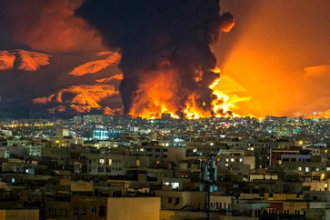
The bank explained that the conflict, which escalated on February 28, 2016, sent shockwaves through the global economy. African and Caribbean economies bore a significant share of the repercussions. This is due to the strategic importance of the Gulf region as a major source of oil, liquefied natural gas, and fertilizers. Furthermore, the Strait of Hormuz plays a vital role in global trade.
He noted that these developments have directly impacted countries heavily reliant on imports of fuel, fertilizers, and food. Countries connected to Gulf shipping lanes, as well as investment flows, tourism, and remittances, have also been affected.
Securing essential imports and boosting liquidity
The program aims to maintain the flow of vital imports, including fuel, liquefied natural gas, food, fertilizers, and medicines. This is achieved by providing foreign currency and short-term liquidity to support the most affected member states.
It also focuses on enabling African energy and mineral exporting countries to capitalize on rising prices and shifting global trade patterns. This is achieved by expanding production capacity in strategic commodities. The program does this through pre-export financing, working capital, and inventory financing.
Supporting tourism and aviation and building future resilience
The program also includes short-term support for member states in Africa and the Caribbean whose tourism and aviation sectors have been affected by the crisis. In addition, it works to strengthen the resilience of these economies in the medium and long term.
This includes accelerating the completion of vital infrastructure projects in the energy, ports, and logistics sectors in member states. The implementation of several of these projects has been delayed due to the repercussions of the conflict.
Official launch at the end of March
The bank quoted its president and chairman of the board, Dr. George Elombe, as saying that the program, launched on March 31, 2026, is consistent with the bank’s approach to dealing with transient crises. These crises put pressure on the economies of member countries.
He affirmed that the initiative will help African countries adapt smoothly to the current crisis while strengthening their resilience to future shocks. This will be achieved through interventions that contribute to restructuring their economies. He also commended the Board of Directors for its proactive approach in adopting this intervention.
Extension of previous successful interventions
Afreximbank noted that the new program is an extension of a series of emergency interventions it has implemented in recent years. These interventions have helped mitigate the effects of major shocks. These shocks include the commodities crisis of 2015-2016, the COVID-19 pandemic of 2020-2021, and the Ukraine crisis of 2023-2024.
The bank stated that it had previously launched a $4 billion program to help African countries cope with the trade and economic impacts of the Ukraine crisis. It explained that a total of $39 billion has been disbursed under this program. This has helped many countries bridge liquidity gaps and secure essential goods.
Regional partnerships to secure supplies
The bank revealed that it has already begun taking practical steps through partnerships with banks and companies to secure fuel, other energy sources, fertilizers, and essential food imports. These have been disrupted by the ongoing crisis. In addition, it added that, in addition to providing financing, it will lead a coordinated regional response in collaboration with the United Nations Economic Commission for Africa, the African Union Commission, the African Continental Free Trade Area Secretariat, and the Caribbean Community Secretariat. This aims to enhance regional coordination in the areas of energy security, trade resilience, and supply chain diversification.