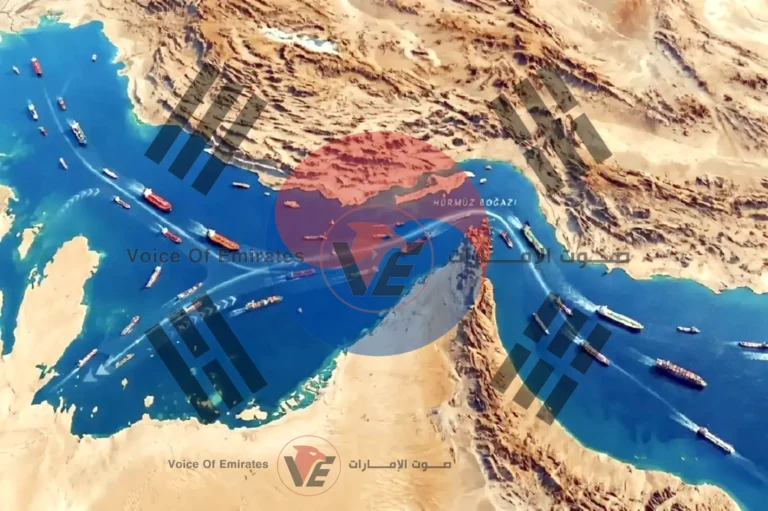
Seoul, South Korea – South Korea has announced it will allow its commercial vessels to use the Red Sea as an alternative route. This comes amid escalating security concerns in the Strait of Hormuz, a vital waterway for global oil and energy trade.
Giving companies the flexibility to choose safe routes
The South Korean decision came as a precautionary measure to secure supply chains and avoid any potential disruptions that could affect the country’s oil and gas imports, especially given growing concerns about threats to shipping in the Gulf region.
Authorities in Seoul confirmed that the new guidelines aim to give shipping companies greater flexibility in choosing safe routes. At the same time, they are continuously monitoring the situation on the ground in coordination with allies and international partners.
Redrawing the map of global trade
The Strait of Hormuz is a vital artery for transporting approximately one-third of the world’s seaborne oil supply. Therefore, any disruption to this strait directly redraws the map of global trade, prompting energy-importing nations to seek safer alternatives. These alternatives are sometimes longer or more expensive.
Observers believe that South Korea’s move to the Red Sea reflects the extent of international concern about the escalating tensions in the region. Furthermore, the potential impact on the global economy is increasing, especially given the heavy reliance on energy from the Middle East.
Between security and cost considerations, Seoul is opening a new avenue for rerouting shipping lanes. This move could become a global trend if the crisis persists without a swift resolution.