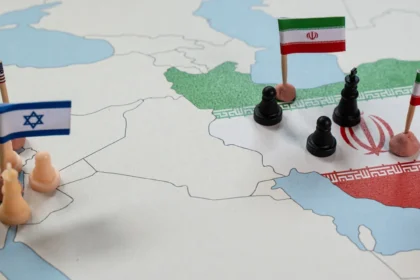
New York, USA – The escalating tensions with Iran have thrown global markets into turmoil, with a wave of anxiety prompting investors to shy away from high-risk assets and seek safe havens amid the prevailing uncertainty in the international economic landscape.
Financial markets have experienced sharp fluctuations, accompanied by a significant increase in trading costs. This is a result of heightened volatility and increased hedging, which has directly impacted the performance of global stock exchanges, currency markets, and commodities.
Analysts believe that this risk aversion is driven by fears of a wider conflict. They also worry about its potential impact on energy supplies and global supply chains, especially given the markets’ sensitivity to any geopolitical developments in the Middle East.
Oil prices have also seen significant increases, fueled by concerns about potential supply disruptions. This has further strained energy-importing economies and increased production and transportation costs worldwide. Estimates suggest that continued tensions could lead to further market volatility in the coming period, as investors await any signs of de-escalation or escalation. This will determine the direction of global markets in the near term.
Iran tensions ignite global markets: trading costs rise and risk amassed
Markets and rising trading costs at the present time

Medhat Elsheikh
Medhat El-Sheikh, editor-in-chief of the Voice of Emirates News Agency office in Cairo, is a seasoned Egyptian journalist with extensive experience both within Egypt and abroad....

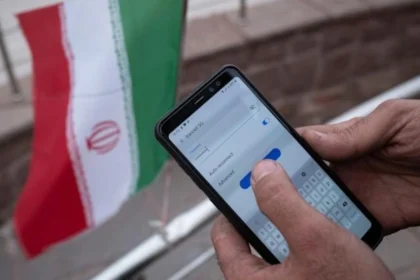
Suffocating digital isolation: Internet outage in Iran exceeds 750 hours
Iran cuts off internet access and enters a digital crisis.
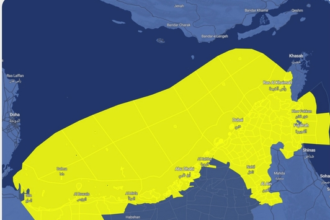
UAE weather.. Alert from the National Center of Meteorology
Clouds will increase from early Tuesday morning until Wednesday afternoon
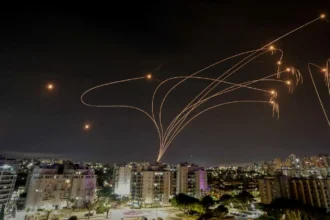
Iranian rocket barrage hits central Israel: Woman injured, street fire breaks out
Israel: Analysis of the current military and security situation
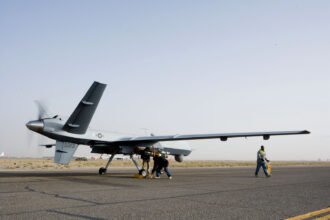
Iran shoots down US MQ-9 drone in Isfahan… New escalation between Tehran and Washington
Iran: National security at stake after latest move