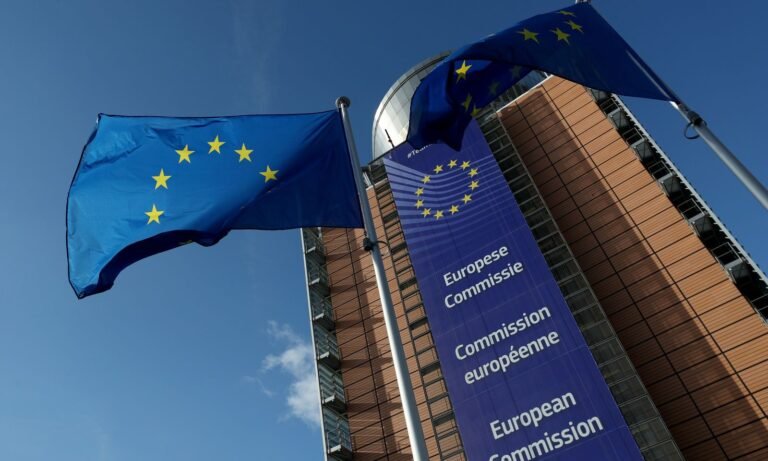
Brussels, Belgium – The European Commission welcomed what it called a “historic” agreement to develop customs cooperation within the European Union. It confirmed that this is the largest such agreement since 1968, a strategic step aimed at modernizing the trade system. It also strengthens the EU’s ability to address global economic challenges and facilitate the movement of goods between member states.
The agreement comes at a time when Europe is facing increasing economic pressures due to slowing growth, disruptions to global supply chains, and geopolitical challenges. For this reason, modernizing customs procedures has become an urgent necessity to support European businesses, particularly small and medium-sized enterprises (SMEs), which rely heavily on the speed of customs clearance and the smooth flow of goods.
The Commission confirmed that the agreement encompasses several key areas, including simplifying customs procedures, harmonizing regulations among member states, and developing monitoring and inspection systems. It also focuses on digitalization and converting data into advanced digital systems that enable secure and rapid information exchange among all relevant authorities. This step aims to reduce clearance times and costs, as well as enhance transparency and combat smuggling and illegal activities.
The agreement also includes developing risk assessment mechanisms and linking them to digital analytics, allowing for more precise inspections. It also reduces arbitrary interventions that previously delayed trade. Furthermore, the agreement encompasses enhanced customs staff training and the exchange of expertise among member states. This will raise efficiency levels and achieve better coordination at the regional level.
Economic analysts believe this agreement represents a qualitative shift in EU policies. It strengthens its competitiveness on the international stage and provides a more attractive environment for foreign investment. It also creates new opportunities for intra-regional trade among member states, which could positively impact macroeconomic growth. Finally, it reinforces Europe’s position as a global trading hub.
The European Union hopes this agreement will contribute to building new trade partnerships with countries outside the EU. It also supports global economic integration and gives Europe more effective tools to address future crises. This is especially important given the escalating competition between major economic powers and the changing nature of global trade towards digitalization and e-commerce.
Thus, this agreement opens the door to a new era of customs cooperation within Europe. It reflects the EU’s commitment to improving the business environment, protecting consumer rights, and promoting market stability. This makes trade more flexible and efficient and delivers significant economic benefits for all parties involved.