Europe – European stocks fell sharply amid the uncertainty created by rapidly evolving events in the Middle East. Despite this daily decline, markets still managed to post modest weekly gains. This reflects investors’ confusion in interpreting the conflicting signals emanating from Washington and Tehran regarding the future of the military confrontation and the fate of global energy supplies.
Indicator performance and energy pressures
The pan-European STOXX 600 index fell 0.9% during trading today, closing at 575.37 points, with declines across most major sectors. However, buoyed by earlier hopes of de-escalation, the index ended the week slightly higher, up 0.4%. This volatility comes as “certainty fatigue” begins to grip trading floors, fueled by conflicting political and military messages.
The “two-front” strategy and the American deadline
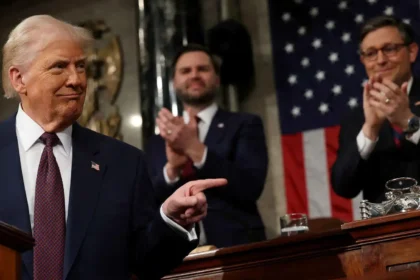
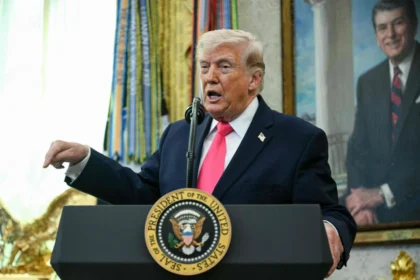
In remarks that heightened market apprehension, US Treasury Secretary Scott Bisnett asserted that the confrontation with Iran is currently being waged on two parallel fronts, with US economic power playing a crucial role no less important than the ongoing military operations. Adding to the anxiety was the ultimatum issued by US President Donald Trump to Tehran. He gave Iran only ten days to reopen the Strait of Hormuz, the vital artery for global oil trade, or face operations aimed at completely destroying Iranian power plants. This threat came after Tehran rejected Washington’s proposals to end the trade war. Iranian officials, for their part, maintained a cautious tone that did not suggest any imminent breakthrough.
The risk of a historic stock market collapse
For his part, Sam Peters, portfolio manager at Clearbridge Investments, warned of the repercussions of the continued political deadlock, saying: “If this crisis is not resolved within the next two weeks, global oil inventories will fall to historically low levels, forcing markets to sharply increase prices to curb demand.” The rise in oil prices has already exacerbated inflationary pressures on European economies, which are structurally dependent on oil imports. Consequently, this presents central banks in Europe with the difficult challenge of balancing growth and monetary stability amidst the looming threat of war in the Gulf.