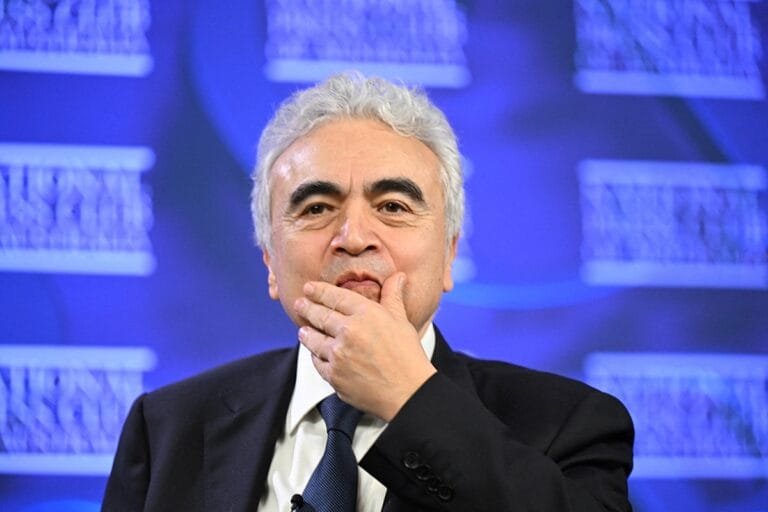
Paris, France – Fatih Birol warned that the current global energy crisis could be the worst in decades, potentially surpassing the two oil shocks of the 1970s in its impact. This comes amid escalating geopolitical tensions and turmoil in energy markets.
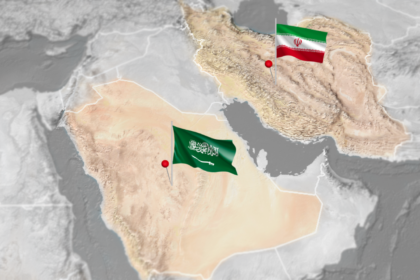
Birol, who heads the International Energy Agency (IEA), explained that markets are experiencing unprecedented uncertainty. This uncertainty stems from the interplay between political and military factors and supply chains, particularly given the rising tensions in the Middle East, which threaten global energy arteries.
He noted that the world is facing a “compound storm,” with a supply crisis coinciding with rising demand and sharp price volatility. As a result, the global economy is facing increasing inflationary pressures, threatening to slow growth in many countries.
He added that what distinguishes the current crisis from the shocks of the 1970s is its broader scope and its impact on various energy sources, not just oil. This includes natural gas and electricity, making its repercussions more profound and multifaceted.
These warnings come at a time when global energy markets are experiencing significant price surges. These surges are occurring amidst concerns about supply disruptions due to regional conflicts. Consequently, this could directly impact transportation and industrial costs, further burdening consumers worldwide.
Experts believe that the continuation of the crisis without swift solutions could push the world into a new phase of energy reshaping. This is happening as the shift towards alternative energy sources accelerates. Simultaneously, these measures are aimed at reducing dependence on conflict-affected regions.
Given these circumstances, global markets face a difficult test, teetering between price pressures and supply risks. Meanwhile, concerns are growing that this crisis could represent a major turning point in the history of global energy.