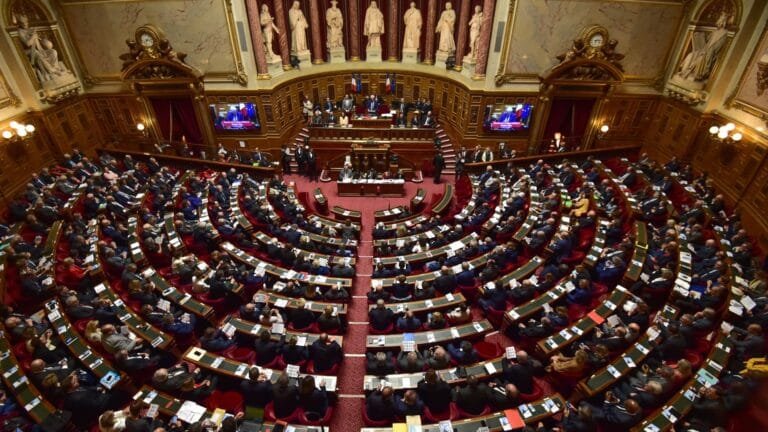
Washington, DC – The US Senate has directly accused several Swiss banks of concealing sensitive information related to financial accounts belonging to Nazi leaders from the World War II era. This case reopens one of the most controversial and contentious chapters in European financial history.
According to a report issued by a Senate committee, investigations revealed a deliberate failure on the part of some Swiss banking institutions to fully cooperate with international authorities. They also refused to hand over documents that could reveal the fate of funds suspected of being linked to war crimes and systematic looting during the Nazi regime in Germany.
The report indicated that these banks, despite previous pledges of transparency and cooperation, still maintain incomplete or withheld records. This raises doubts about the true extent of the funds that were concealed. This situation also hinders efforts to compensate victims and their families decades after the end of the war.
Senators emphasized that the issue is not merely a matter of the past, but also affects the credibility of the international financial system in the present. They warned that continued silence or stalling by the Swiss side undermines confidence in the slogans of transparency and accountability raised by major banking institutions.
In contrast, some Swiss banks denied these accusations, affirming their commitment to international laws and previous agreements regarding the disclosure of suspicious accounts. The Swiss government emphasized that the country has taken significant steps over the past decades to address this issue, despite acknowledging its historical and political sensitivity.
Observers believe that reopening the “Nazi funds” file at this time reflects a shift in the political climate within the United States. This is particularly evident with the growing calls to hold major institutions accountable for their historical roles in supporting or covering up regimes that committed crimes against humanity.
Experts warn that these accusations could open the door to renewed political and economic pressure on Switzerland and its banks. These events might lead to broader investigations or potential sanctions if deliberate concealment of information is proven.
Between the memory of war and the demands for long-overdue justice, the old question resurfaces: Is it time to reveal all the financial secrets buried in bank vaults, or are some files still protected by silence and gold?