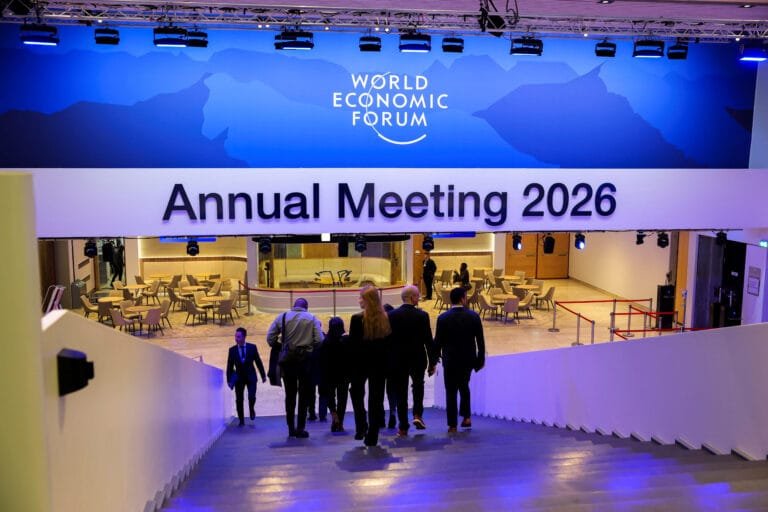
Davos, Switzerland – The 56th annual meeting of the World Economic Forum (WEF) begins today, Monday, January 19, 2026, in Davos-Klosters, Switzerland, and will continue until Friday, January 23. This year’s meeting takes place amidst complex international circumstances, making it one of the most sensitive in recent years. The forum is being held under the theme “A Spirit of Dialogue,” aiming to revitalize discussion and understanding in a world experiencing escalating political and economic divisions, declining trust in the international system and multilateralism, and an unprecedented technological revolution that has reshaped the global economy, supply chains, and financial system.
The 2026 edition will host approximately 3,000 participants from over 130 countries, including some 65 heads of state and government, nearly 400 high-level political officials, and around 850 CEOs of global companies. Representatives from international organizations, civil society, the technology sector, and academia will also be present, reflecting Davos’s continued role as a pivotal platform for the intersection of politics and economics, despite growing criticism of its role and effectiveness. This year’s forum sessions will address a number of pressing global issues, primarily economic and geopolitical instability, digital transformation and artificial intelligence, sustainability and a just energy transition, as well as global risks in an era of increasing international competition. The events kicked off today with a musical opening ceremony, along with open sessions, including one titled: “What Kind of World Do We Want in 2050?”
Trump’s return to the forefront
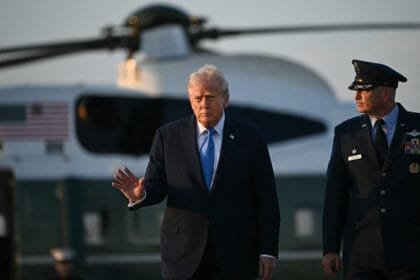
This year’s forum features a notable American presence, with President Donald Trump leading the largest US delegation in the forum’s history. The delegation includes five prominent cabinet members, most notably Marco Rubio, along with his envoys to Ukraine and the Middle East, Steve Witkoff and Jared Kushner, respectively. In a symbolic gesture reflecting the weight of American participation, a church on the Davos Promenade has been transformed into what has been dubbed “The House of the United States of America.” This venue is dedicated to hosting events and sessions discussing issues such as artificial intelligence and “peace through strength,” sponsored by major American corporations.
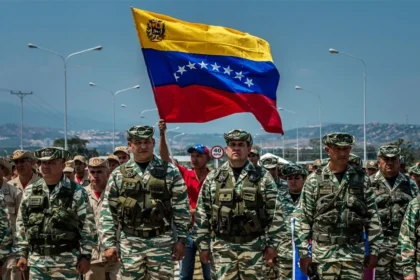
Observers believe Trump’s anticipated speech will contain a mix of protectionist economic messages and confrontational political stances, particularly regarding relations with China, the war in Ukraine, and the United States’ role in reshaping the international order. This will put the slogan of “the spirit of dialogue” to a difficult practical test. Trump’s presence comes amidst a storm of political and economic repercussions he has unleashed during his first year in office since January 20, 2015, ranging from tariffs to the situations in Ukraine, Gaza, Iran, and Venezuela. These are issues expected to dominate discussions among the Swiss mountain leaders.
Tensions with the European Union
Trump is expected to face cautious responses from European NATO leaders, given his threats to impose additional tariffs on European countries if they do not support his efforts to take control of Greenland from Denmark. This has reignited doubts about the strength of the Western alliance, which has long been a cornerstone of the international economic order celebrated in Davos. A White House official stated that Trump “will emphasize the need for the United States and Europe to overcome the economic downturn and the policies that led to it.” Meanwhile, the British and Italian prime ministers, Keir Starmer and Georgia Meloni, respectively, described the potential US tariffs on Europe as “a mistake.”
In the same vein, French President Emmanuel Macron intends to call for the activation of the EU’s “anti-coercive mechanism” should Washington proceed with imposing additional tariffs. This mechanism, subject to approval by a qualified majority of member states, allows for countermeasures such as restricting access to European public procurement markets or blocking certain investments. Sources close to Macron explained that the US trade threats “raise serious questions about the future of the customs agreements” between the EU and the US, signed last July. According to the White House, no bilateral meetings have yet been scheduled on the sidelines of the forum. The French president will leave the Swiss resort on Tuesday evening without meeting his American counterpart, with the possibility of adjustments to the schedules of several European leaders. Against this tense backdrop, the 2026 Davos Forum is taking place amidst unprecedented challenges. The question remains: will the “spirit of dialogue” succeed in bridging global divides, or will it become merely a slogan in a world increasingly polarized?