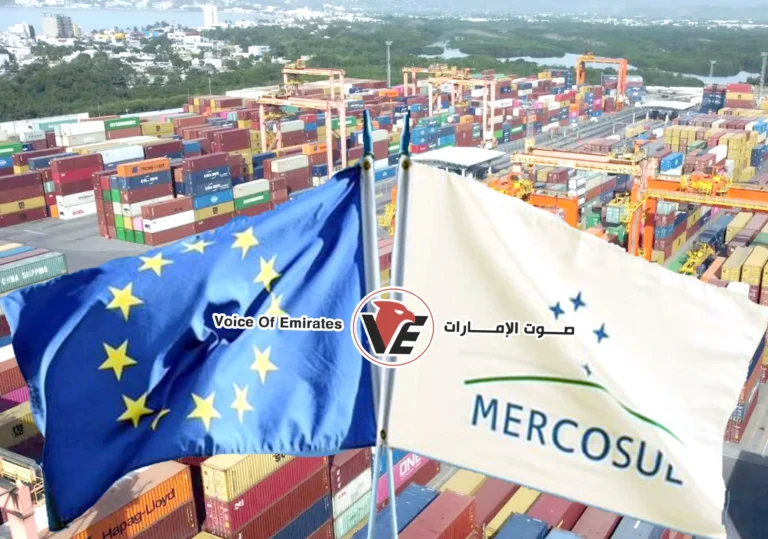
Brussels, Belgium – On Friday, Brussels witnessed a significant development in European trade policy. Crucial support from the Italian government within the European Commission secured the passage of the free trade agreement between the European Union and four South American countries: Argentina, Brazil, Uruguay, and Paraguay. This bloc is known as Mercosur
According to European sources, Italy’s stance broke the deadlock and division that had prevailed within the EU in recent months. This occurred despite reservations expressed by several countries, most notably France and some agricultural nations. They were concerned about the agreement’s impact on European farmers and environmental standards. However, Rome strongly advocated for the agreement’s adoption. According to Rome, the agreement represents a strategic opportunity to strengthen the EU’s presence in South American markets. It also aims to counter the growing economic influence of competing international powers.
Supporting growth and creating job opportunities
The agreement aims to create one of the world’s largest free trade areas by eliminating or reducing tariffs on thousands of goods. It facilitates the movement of exports and imports between the two sides, including industrial, agricultural, and service products. The European Commission asserts that the agreement will contribute to supporting economic growth. It will also help create new jobs and strengthen European supply chains amidst global disruptions.
However, criticism persists. Environmental organizations and European agricultural unions have warned that the agreement could lead to unfair competition. They fear it might encourage agricultural practices that disregard the strict environmental standards in place within the EU. Some political forces have also expressed concern about its impact on small farmers.
Nevertheless, Brussels believes that the inclusion of binding clauses in the agreement related to sustainability, environmental protection, and workers’ rights mitigates these concerns. The agreement is expected to move to the ratification process in the parliaments of member states in the next phase. This step could open a new chapter in economic relations between Europe and South America.