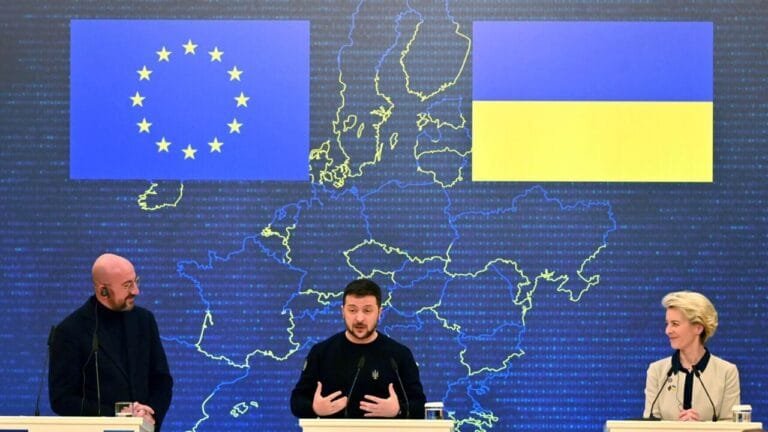
Brussels, Belgium – The European Union is facing mounting financial burdens as a result of its commitments to Ukraine. Long-term lending and support programs are estimated to cost the EU treasury billions of euros annually. This comes at a time when many countries are experiencing economic slowdowns and rising inflationary pressures.
According to European sources, the financing mechanisms adopted to support Kyiv are not limited to direct grants. They also include soft loans and financial guarantees, which mean commitments extending for years to come. These commitments are borne by the EU budget and member states collectively, whether through debt servicing or interest payments.
These commitments are sparking increasing debate within EU institutions and among member state governments, particularly with growing demands to prioritize social spending and support for affected sectors within Europe itself, rather than continuing external funding.
Observers believe the projected annual cost could prompt Brussels to reconsider some spending items or perhaps seek additional funding sources, amid concerns that loans to Kyiv could become a chronic financial burden on European taxpayers if the crisis persists without a comprehensive political solution.