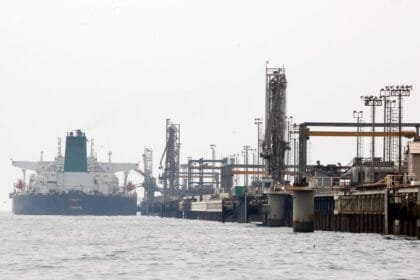
Voice of the Emirates – Shipping companies operating in EU ports are facing significant financial burdens as a result of the implementation of the European Emissions Trading System (EU ETS) in the shipping sector. The additional costs for 2024 are estimated at approximately $2.9 billion, according to Drury, a company specializing in shipping and logistics industry analysis.
The system aims to reduce carbon dioxide emissions. Shipping companies are required to purchase emissions allowances based on their vessels’ environmental footprint.
By 2025, the commitment will apply to 40% of the previous year’s emissions. This will then increase to 70% in the same year, reaching 100% by 2027.
Economic pressure on shipping companies
Estimates suggest that the cost of an emissions trading system will reach $1 million for passenger ships and RoPax vessels, and approximately $500,000 for each container ship.
Major shipping groups such as Maersk, CMA CGM, and Hapag-Lloyd charge their customers transparent surcharges. They also offer “eco-friendly” shipping options such as ECO Delivery, ACT+, and Ship Green.
The role of ships and ports in emissions
Container ships, although they make up 16% of the fleet and 21% of cargo volume, produce approximately 34% of total CO2 emissions within the system’s implementation area. Therefore, they represent one of the largest cost drivers of the new system.
Meanwhile, European ports face the significant challenge of implementing an Onshore Power Supply (OPS) network by 2030 within the TEN-T grid. This network allows ships to shut down their engines while at anchor and draw power from the coastal grid. It is a requirement that necessitates substantial infrastructure upgrades.
Emissions and Geopolitics
According to Drewry, approximately 13,000 ships released their CO₂ emissions data for 2024. This resulted in a record of around 90 million tons of carbon dioxide, a 14% increase over the previous year. This was partly influenced by geopolitical shifts that forced the global fleet to bypass the Suez Canal, taking longer and more energy-intensive routes around the Cape of Good Hope.