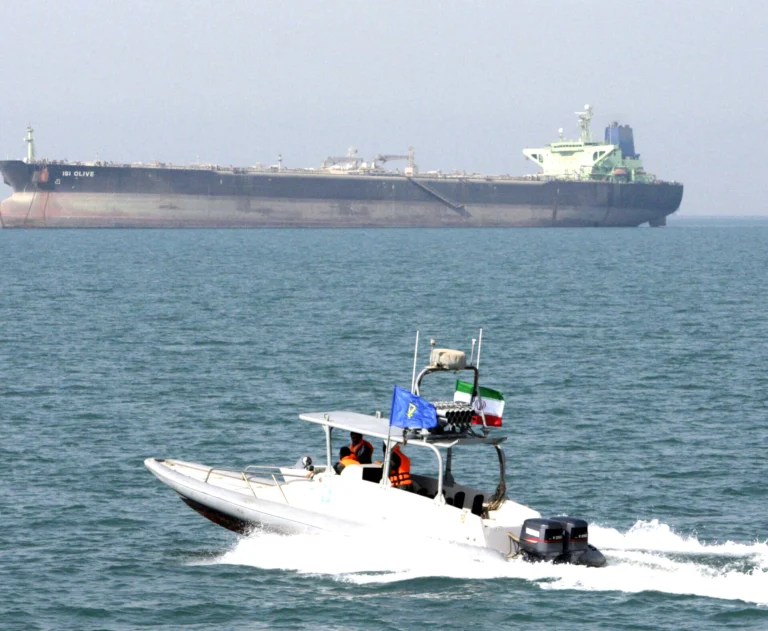
Tehran, Iran – The Iranian Revolutionary Guard began large-scale naval maneuvers in the waters of the Arabian Gulf on Thursday, during which it issued warnings to US war ships operating in the region.
This comes more than five months after a 12-day war between Israel and Iran,
in which the United States participated in a limited capacity.
Iranian state television explained that the maneuvers were intended
to demonstrate the “sacrifice and spirit of resistance” of the Revolutionary Guard’s naval forces.
This is to counter any potential threat against the country in the aftermath of the war that broke out last June.
Those strikes resulted in the deaths of more than a thousand people, including leaders of the Revolutionary Guard.
Iran responded by launching missile and drone attacks on targets inside Israel, resulting in dozens of deaths.
Warnings to US ships
The reports added that Iranian naval units issued warnings to US ships present in territorial waters,
She confirmed that stern messages had been received,
without revealing the details of the content of these warnings.
There has been no official comment from the American side so far.
This comes at a time when Iranian media have confirmed the deployment
of advanced air defense systems, operating in an electronic warfare environment.
It was able to detect aerial and maritime targets using artificial intelligence techniques.
This reflects the strengthening of the Iranian navy’s military capabilities in the strategic region.
The Persian Gulf… a red line
It is worth noting that the Arabian Gulf and the Strait of Hormuz constitute a vital route,
as approximately 20% of global oil exports pass through them annually.
The deputy commander of the Revolutionary Guard, Ali Fadavi,
stated that no country can underestimate the importance of the Strait of Hormuz.
He stressed that the Revolutionary Guard would continue to protect the vital waterway,
and that the security of the Persian Gulf was a “red line”.
He considered the United States and Israel to be “the main drivers of global insecurity”.